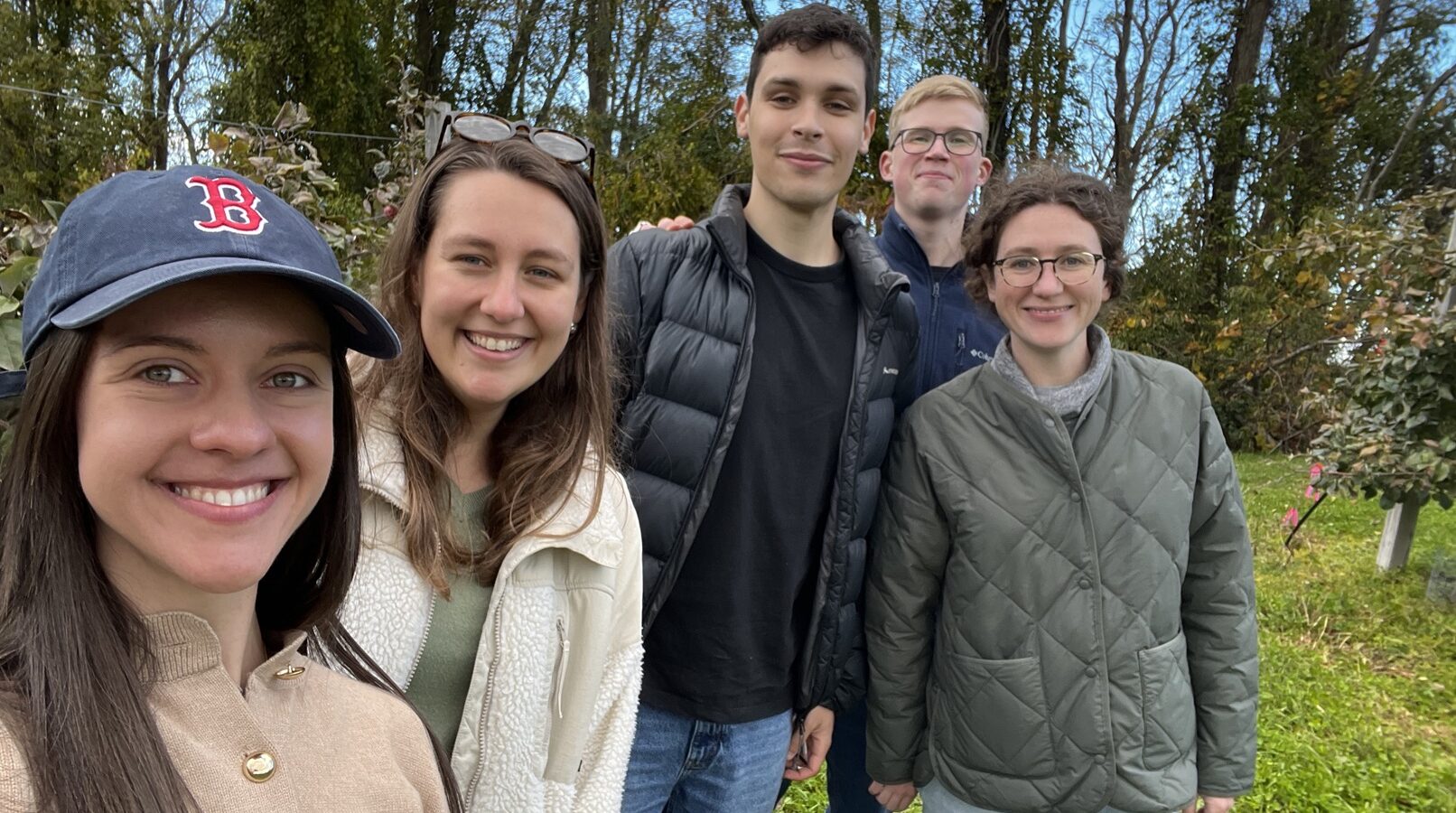

My Fulbright Scholarship has been one of the most transformative experiences of my life—personally, professionally, and academically. It offered far more than a prestigious research opportunity; it reshaped my worldview, broadened my ambitions, and strengthened my confidence in the path I am building as a clinician-scientist.
Academic and Professional Growth
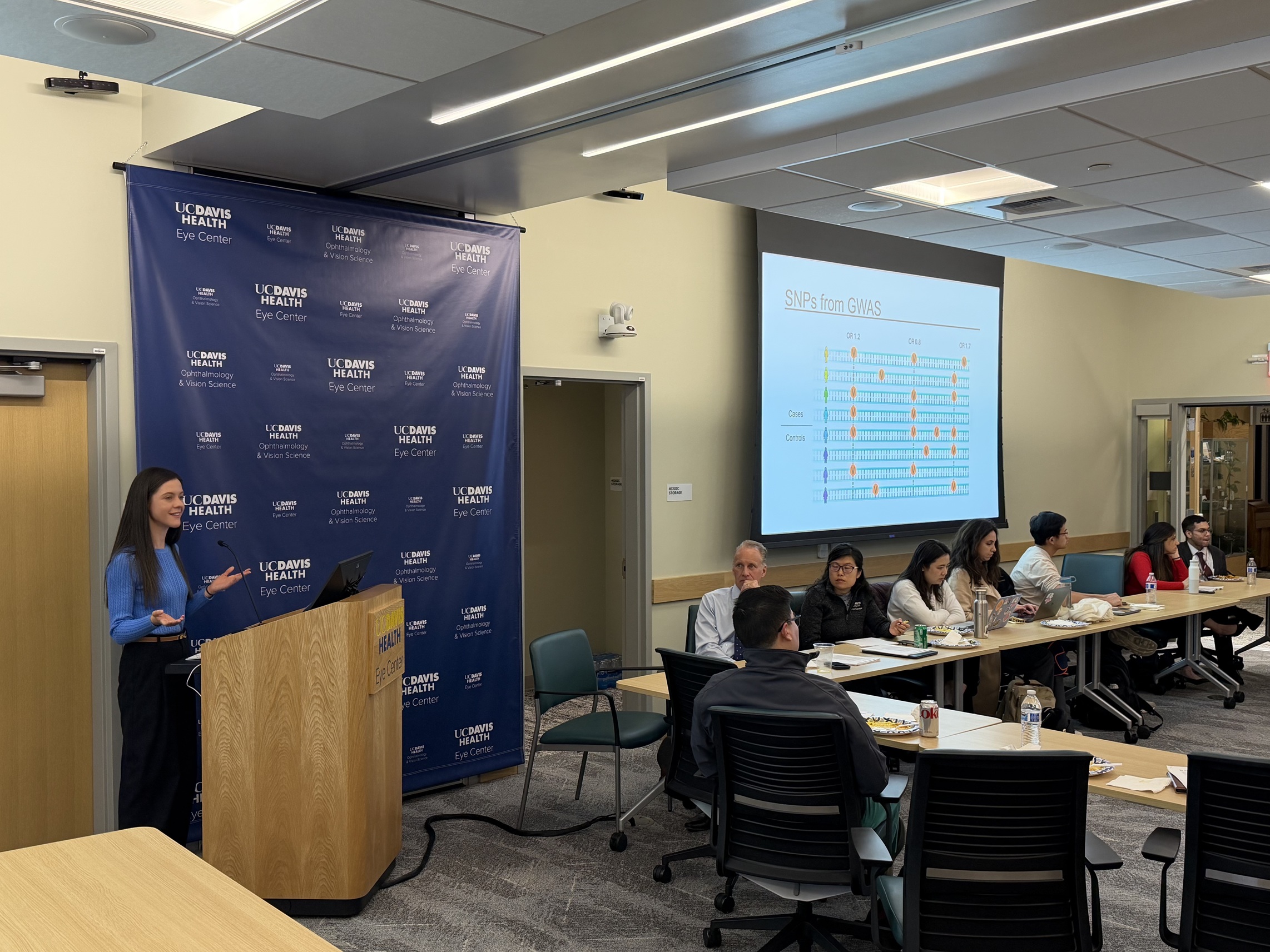
Academically, my Fulbright placement at the Ocular Genomics Institute at Massachusetts Eye and Ear, Harvard University, placed me at the heart of cutting-edge ophthalmic genetics. I joined an environment defined by rapid discovery, collaboration, and intellectual ambition. My project focused on developing and validating genetic testing tools, specifically polygenic risk scores, to better stratify risk across different glaucoma subtypes. This work allowed me to contribute meaningfully to a field that is moving toward precision medicine approaches to preserve sight and prevent blindness.
My work on validating of polygenic risk scores in additional glaucoma subtypes extends their potential use beyond one type of glaucoma to broader segments of the patient population. Importantly, my existing industry and clinical connections in Australia position me uniquely to translate these findings directly into practice. The bridges I have built between my US research and Australian industry partners mean that the advances generated during my Fulbright experience can be rapidly translated to the clinical space to benefit real people and communities quickly.

Working within such a high-calibre scientific ecosystem sharpened my technical skills, exposed me to new methodologies, and challenged me to think more critically and creatively. I learned from world leaders whose depth of expertise elevated my own research thinking, and whose generosity with their time and knowledge has had a lasting impact. Presenting my work at three major US conferences, AAO, ARVO, and ISER/BrightFocus Glaucoma, further expanded my confidence and helped me establish an international academic presence.
While in the US, I had the opportunity to lead a large-scale review manuscript on polygenic risk scores in glaucoma. This project required coordinating contributions from international leaders across the United States, Australia, Singapore, and the United Kingdom, bringing together diverse expertise to create a comprehensive and authoritative overview of the field. The review is set to be published in one of the top ophthalmology journals, marking a significant academic milestone in my career. This opportunity was only possible because of the networks I built and the collaborative environment I was immersed in during my time in the US. It was truly a case of being in the right place at the right time.
One of the greatest professional benefits was the opportunity to build a broad, diverse network. Through visits to institutions such as UC Davis and Stanford, and through various meetings, journal clubs, and collaborations, I formed connections with researchers and clinicians from across the United States. These relationships have laid the foundation for future collaborations and have opened the door to academic possibilities I had never previously considered.
Personal Growth and Independence
The personal impact of the Fulbright was just as profound. Living overseas for six months, the longest I have ever lived away from home, taught me how to trust myself deeply. Navigating new systems, solving unexpected problems, and adapting to unfamiliar environments showed me that I am capable, resilient, and resourceful. Boston became a second home: a city rich with history, full of culture, and brimming with energy. I immersed myself in everything it had to offer, from museums and neighborhoods to spontaneous adventures with new friends.
I made a conscious decision early on to say yes to every opportunity. That openness shaped my entire Fulbright experience. I built friendships across multiple communities—fellow Fulbrighters, Australian and New Zealand scholars in the US, peers at Harvard, and colleagues in my department at the Ocular Genomics Institute. These networks not only enriched my social experience but helped me feel fully supported and connected, leaving very little room for homesickness.
Perhaps most unexpectedly, the Fulbright reframed my understanding of the future. Before arriving in Boston, I felt I had a clear trajectory for the next 5, 10, even 15 years of my career. But being immersed in the US research landscape and seeing the scale, the ambition, and the sheer array of pathways available opened my eyes to opportunities I never knew existed. It made me reflect deeply on what kind of leader, researcher, and clinician I want to be, and on the many different directions my life could take. That sense of expanded possibility is one of the greatest gifts this scholarship has given me.
A Lasting Impact
The benefits of my Fulbright experience will continue to shape my future long after returning to Australia. I return home with renewed motivation, a stronger scientific network, enhanced research skills, and a profound sense of confidence in my ability to contribute globally to the field of ophthalmic genetics. It has strengthened my commitment to becoming a clinician-scientist leading impactful, patient-centered research, and has shown me what is possible when you place yourself in an environment that challenges you to grow.
In every way Fulbright has been life changing. It allowed me to see the world, and my own potential, through a much broader lens. I am deeply grateful for the experience, and I will carry its lessons and opportunities with me throughout the rest of my career.