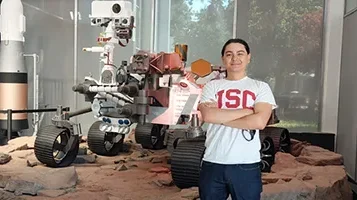

Dr Rita Shah, 2023 Fulbright Scholar Award, Funded by The Australian National University
The Fulbright Scholarship has been immensely beneficial in many ways.
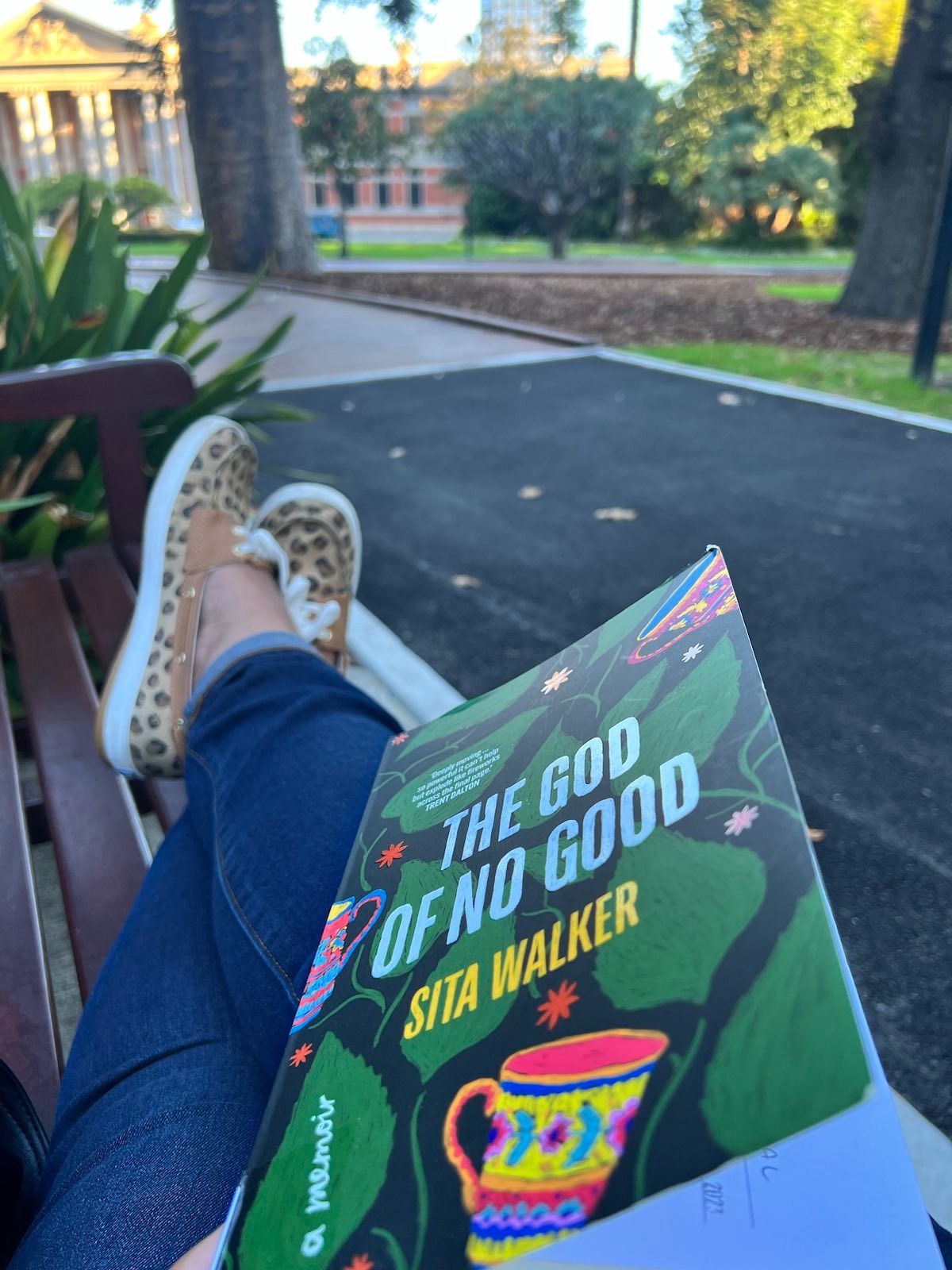
On a personal level, I also achieved two goals. First, given the amount of biking trails available in Canberra, was to re-learn how to ride a bike, which I did thanks to help of friends I made in country. The second was to read as many books by Australians and set in Australia as possible. In the three months this report covers, I have read 14 such books and bought 5 more and plan on reading at least another 6 before I leave (for a total of at least 20 books while in country). Furthermore, I had an opportunity to learn about a country and culture that is, at least on paper, similar to my own, but differs in key ways.
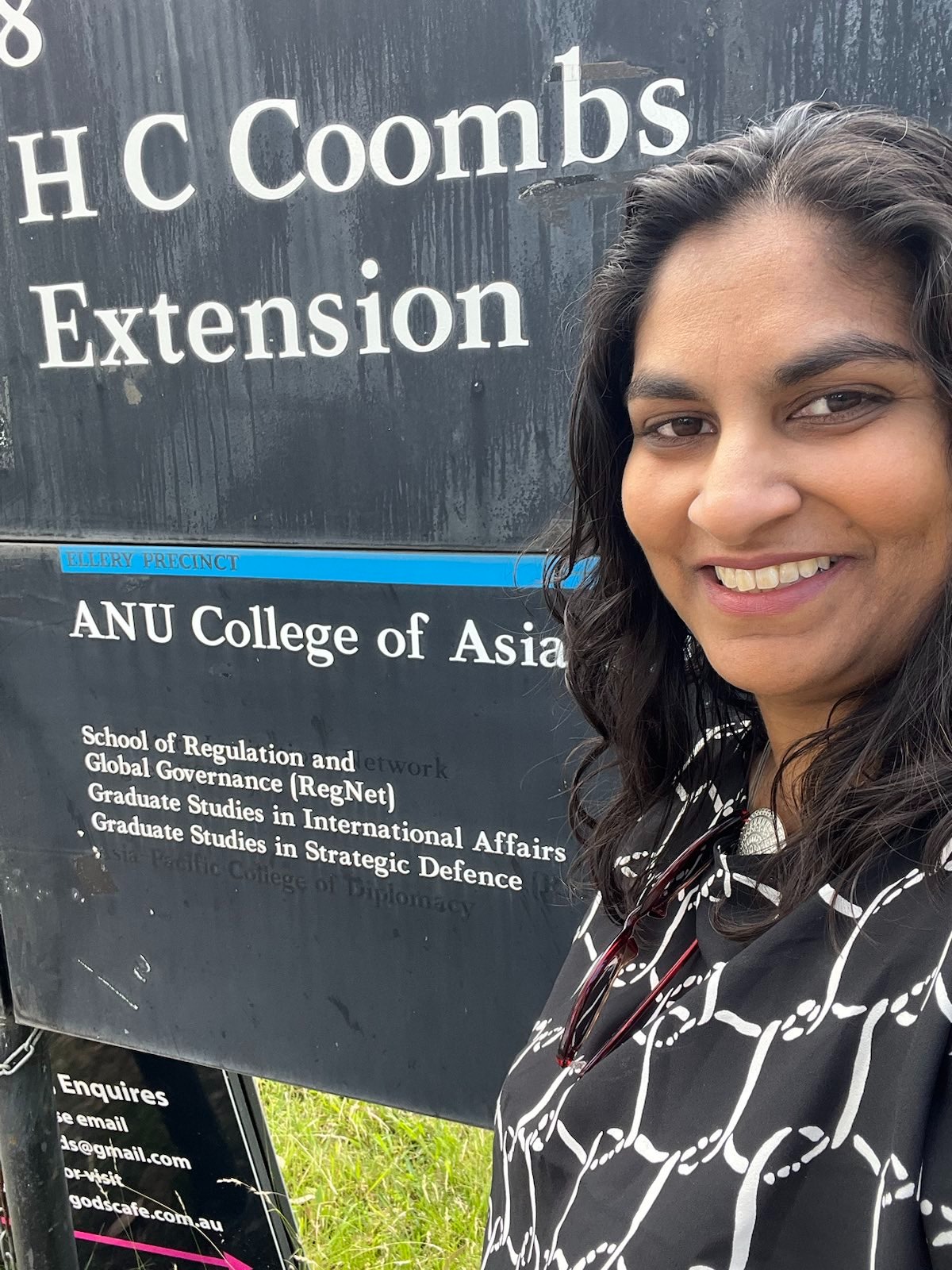
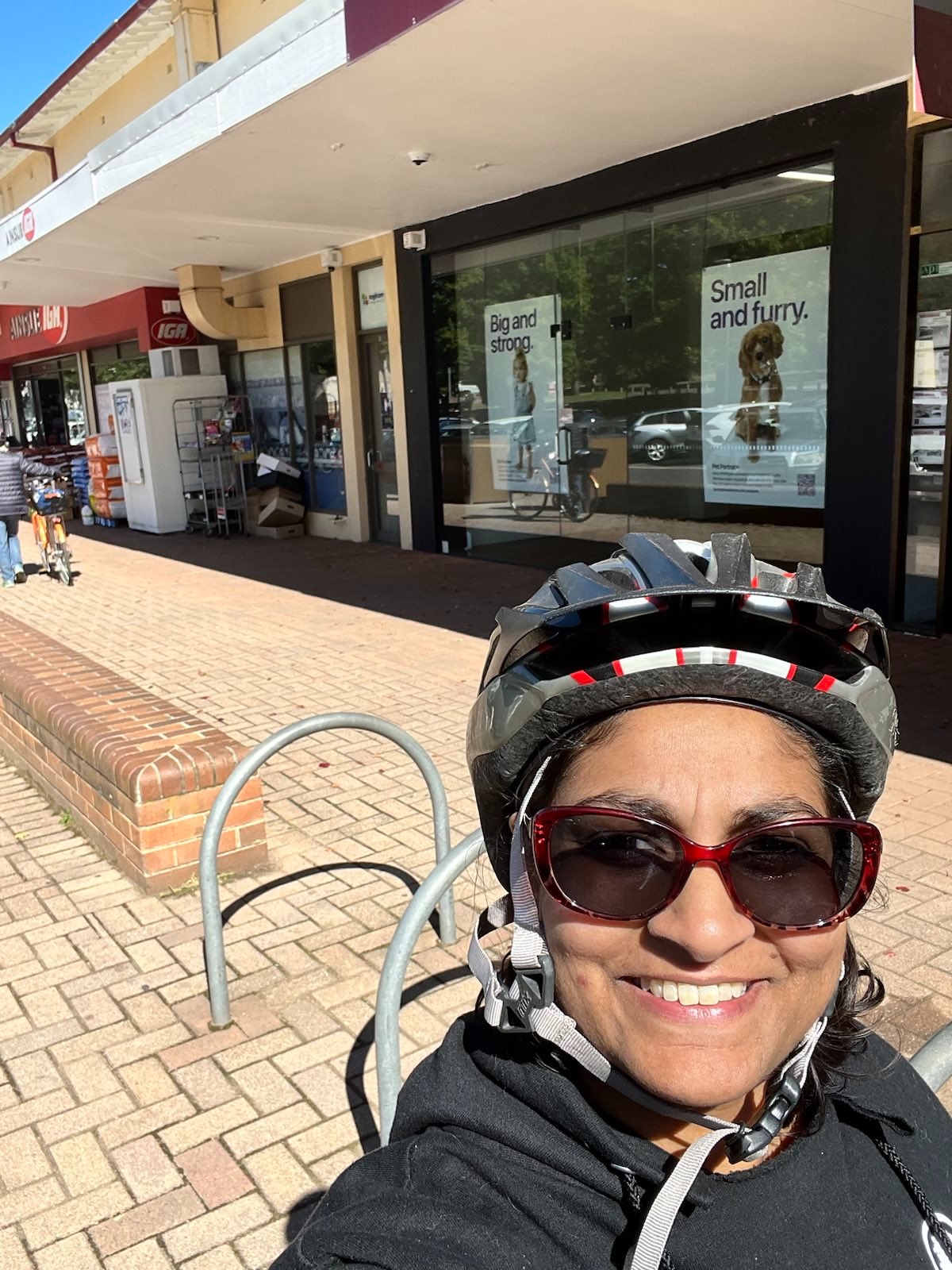
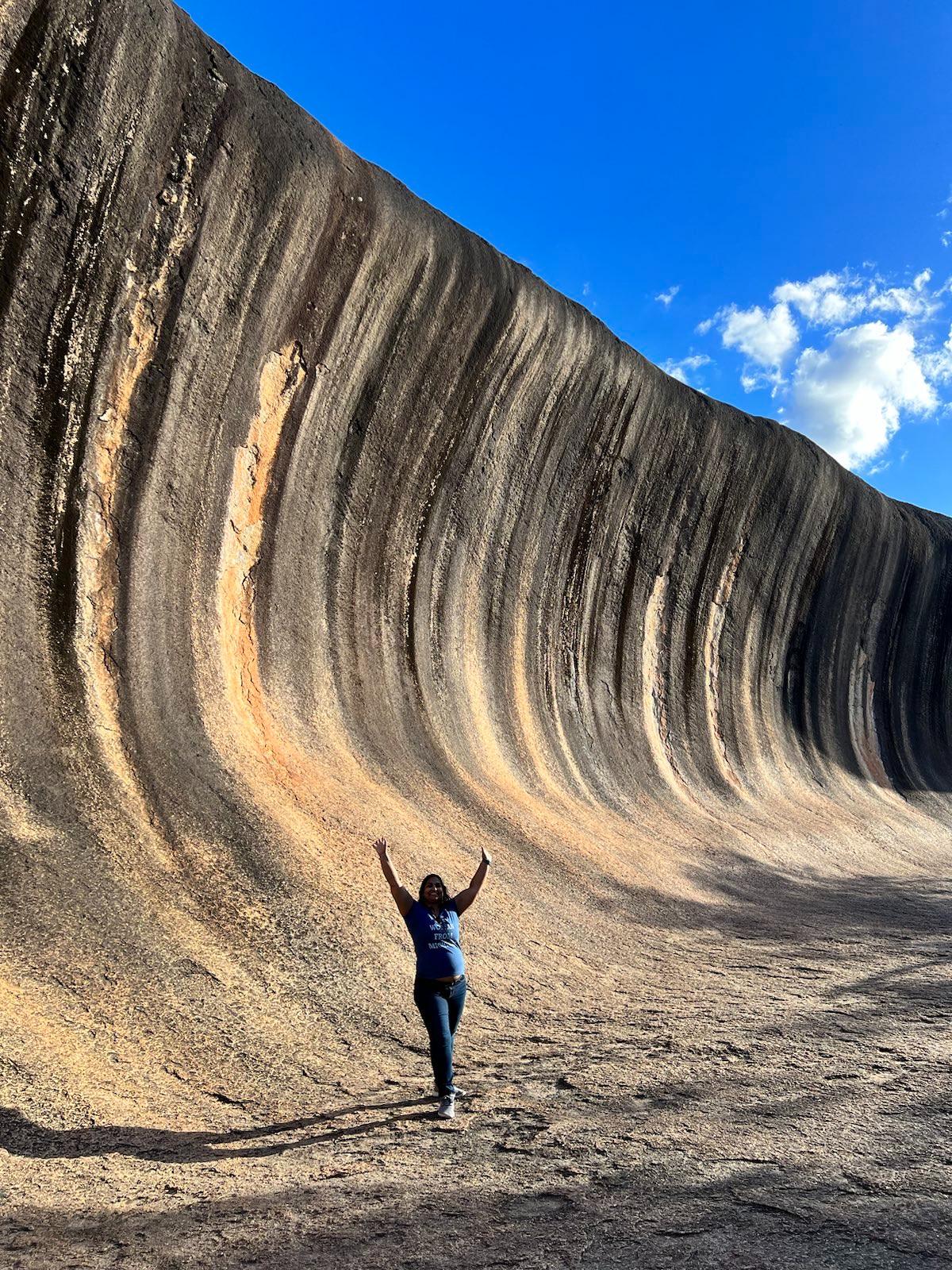
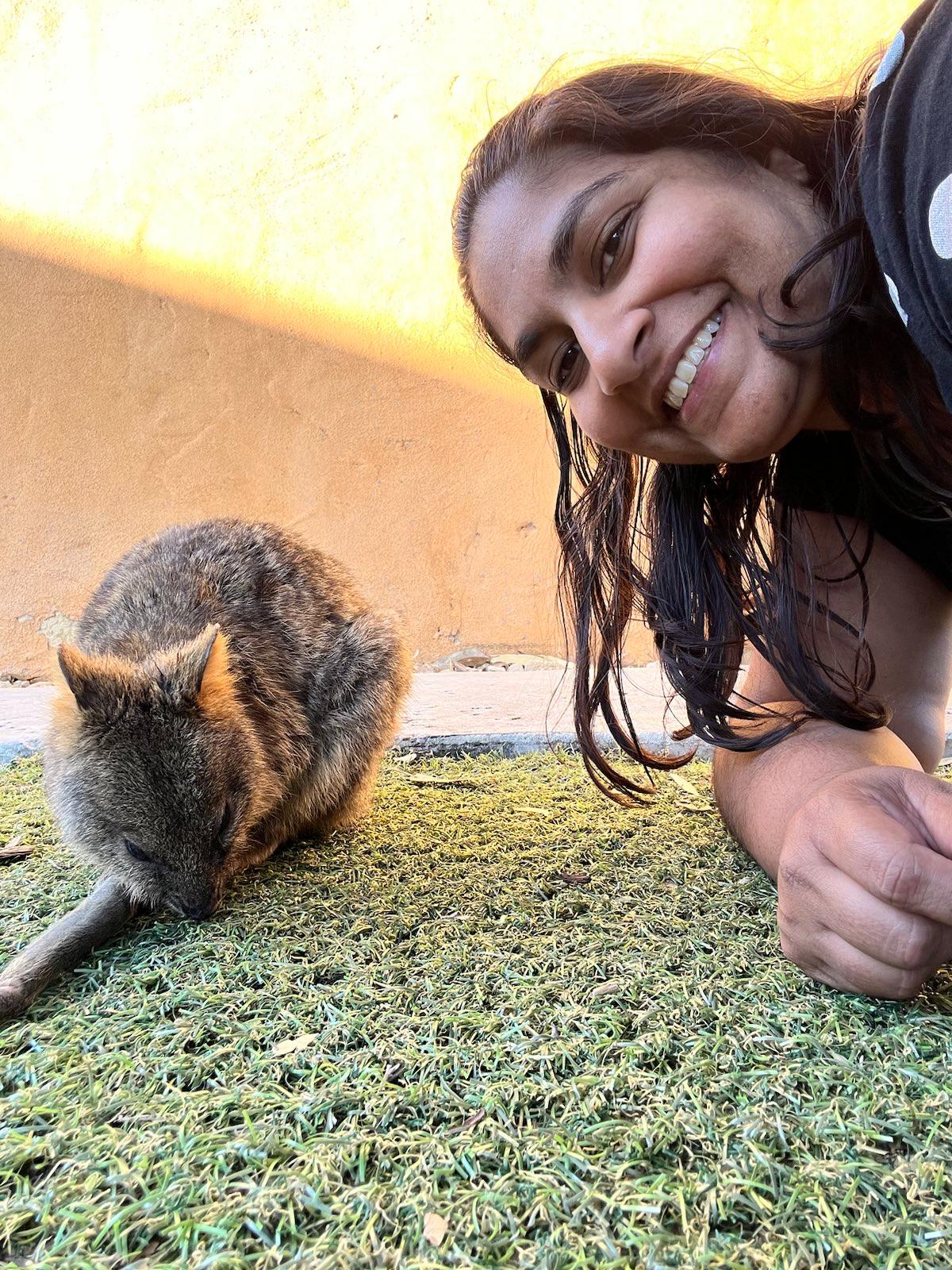
I also had an opportunity to explore a country with a rich and varied history. Having travelled all six states and two territories and all eight capital cities, I have explored more Australia than I have the US. By doing so, however, I was able to better understand how the various eras of colonization impacted the growth and development of Australia, how and why the states/territories differ so much, and how the country as a whole fits together. I was able to discover the beauty of Australia’s wildlife, from seeing wonderful animals such as quokkas and koalas in their natural habitats to exploring unique geological formations such as Wave Rock in Western Australia.
A goal of my travels was to buy a book by and about Indigenous women from each state/territory I visited, and am happy to say I succeeded with some truly fantastic purchases. I was also able to explore sites important to Indigenous groups by visiting places such as Mulka’s Cave in WA and Tiwi Islands, Kakadu, and Uluru in NT and sites that capture the horrors of how Indigenous groups were treated by colonizers such as Rottnest Island in WA.
Furthermore, visiting the various penal sites also enabled me to draw on my personal interest in penal history with my professional interest in correctional spaces. By better understanding the history of correctional spaces in Australia, I have a better sense of how modern-day Australia prisons try to move on from their past, but also inevitably replicate some past issues as well.
On the whole, I leave Australia with a greater appreciation for the importance of history on the modern era and on the importance of confronting the ugly side of ones culture in order to interrogate whether or not proposed solutions accomplish their goals.