





Alumni Profiles
Alumni Networks
Our alumni network includes Nobel laureates, government leaders, industry pioneers, and renowned academics. We provide ongoing opportunities for engagement, mentorship, and professional development to ensure that Fulbright connections remain strong throughout a scholar’s career.
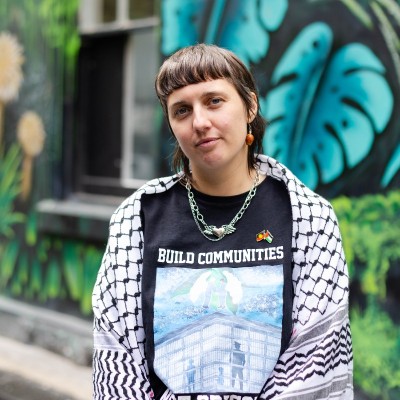
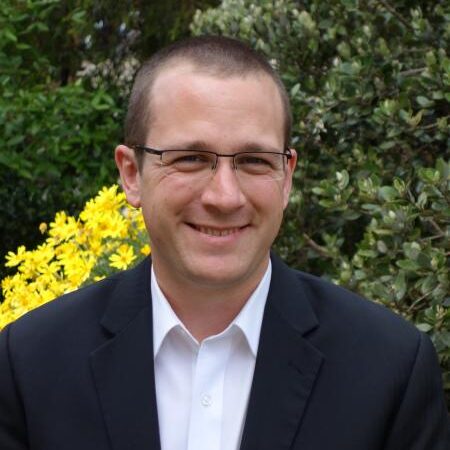
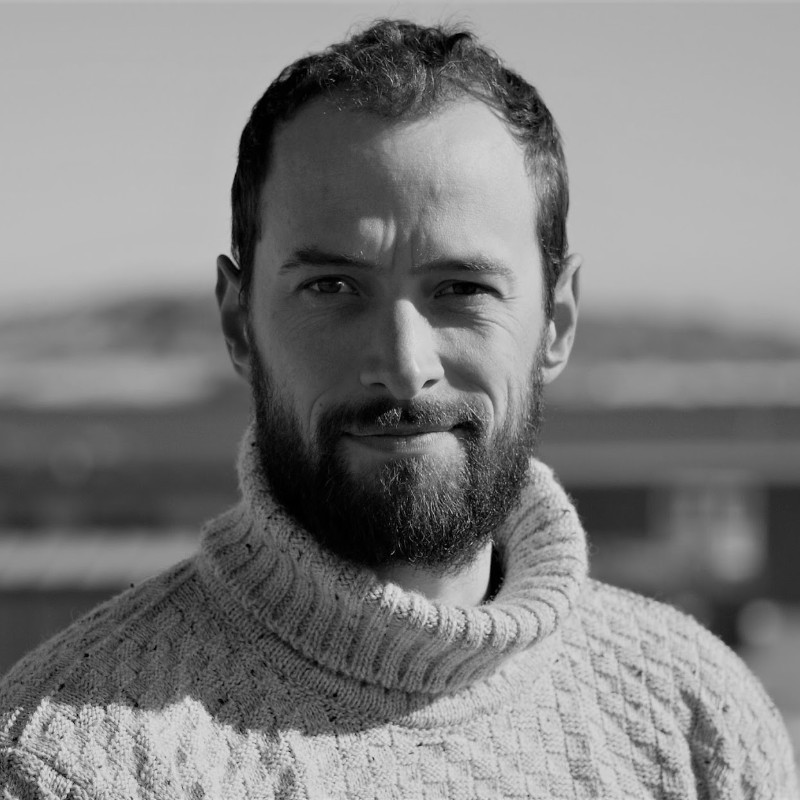
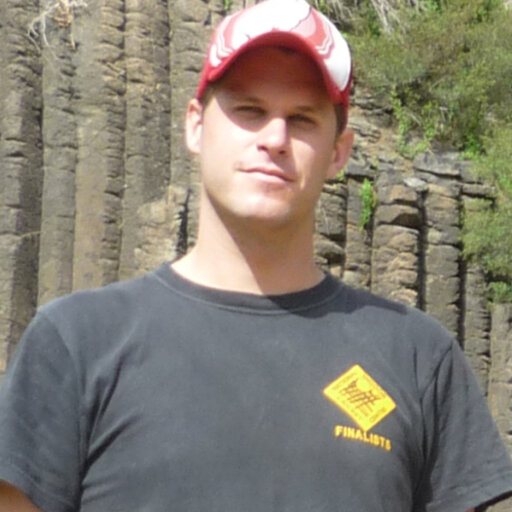
Tom is a clinician researcher training at Royal Prince Alfred Hospital. His long term interest lies in immunotherapy treatments for cancer. He wants to understand why some cancers are cured by immunotherapy but not others, with the ultimate goal to improve cancer treatments and the lives of patients with cancer. Building on his PhD work and clinical research, he will join Professor Pillai’s group at the Ragon Institute of Massachusetts General Hospital, MIT and Harvard. Tom will learn state of the art technologies at this NIH-funded Autoimmune Center of Excellence and bring these skills back to further his IHMRI based cancer research.
Samira is a postdoctoral research fellow in the School of Built Environment, University of New South Wales (UNSW), Australia. Her research area includes the development, testing, and implementation of advanced heat mitigation technologies for urban heat mitigation application. Samira has extensive experience on the development of novel urban heat mitigation technologies as well as large-scale urban heat mitigation projects in Australian cities.
Hannah earned her BSc in Botany and Conservation Biology and first class honours in Botany at the University of Western Australia. She is currently completing PhD research, focussing on the ecological impacts of large-scale, catastrophic wildfire events in southwest Australia. Hannah recently spent six months on a Fulbright Scholarship working in the laboratory of Professor Scott Stephens at University of California Berkeley, researching wildfire impacts and prescribed burning in California. Hannah’s PhD research investigates the ecological impacts of catastrophic wildfire. The forested regions of Australia and North America have both witnessed unprecedented large-scale wildfire events over the last decade, and wildfire in both regions is projected increase in frequency and severity over the next century. However, the ecological impacts of such events and consequences for future management are poorly understood.
Hannah’s research will promote the sharing of knowledge between Australia and the U.S., forging research ties and developing collaborative projects to understand catastrophic wildfire events in a global context.
Ali is an early career researcher within the School of Biomedical Engineering at the University of Sydney. His research focuses on the design and optimization of synthetic tissue scaffolds to repair diseased or damaged tissues such as bone defects.
As a Fulbright Scholar, Ali will undertake research for 10 months at the Brigham and Women’s Hospital, Harvard Medical School, where he will use state of the art bioprinting technologies to develop novel hydrogel-based scaffolds for the reconstruction of damaged tissues.
"My Fulbright research focuses on identifying individuals at risk of developing diabetes complications and investigates potential treatment targets. Specifically, I will be studying the role and function of mitochondria (often referred to as the cell's powerhouse) in individuals with Diabetes."
Luke is a postdoctoral researcher at the NHMRC Clinical Trials Centre, The University of Sydney. With his Fulbright Scholarship, he will visit a leading endocrinology group at Wake Forest University and learn cutting edge research techniques to investigate mitochondrial function in individuals with Diabetes. This project aims to provide new insights into the mitochondrial function, quality and quantity in individuals with Diabetes and lay the groundwork for therapeutic interventions. In addition, Luke’s time at Wake Forest University will allow him to build valuable networks while enhancing his knowledge of critical cellular processes and therapeutic targets.
Travis is a plant eco-physiologist researching how ecological interactions influence tree growth and survival. His work is largely focused on how ecological interactions among neighbouring plants modify the direct effects of environmental change in forest communities. He is particularly interested in whether integrating broad-scale climatic conditions with local-scale ecological interactions increases our ability to accurately predict tree performance.
As a Fulbright Scholar, Travis will seek to improve our understanding of how plant physiology and various ecological interactions determine drought-driven tree mortality. The outcomes of his Fulbright research will inform models predicting future drought impacts on forest ecosystems and assist in maximising the success of future conservation efforts.
Natalie currently works in the Science Division of the Environment Protection Authority Victoria.
As a Fulbright Scholar, Natalie will work in the laboratory of Professor Zhan Chen at the University of Michigan. She will use sum-frequency generation spectroscopy and fluorescence microscopy to investigate the effect of surface roughness of medical implants on the adsorption of protein and platelets in blood. The interactions of fibrinogen and platelets with the surface of an implant can contribute to blood-clot formation and implant failure. This project aims to improve patient outcomes by informing the design of medical implants such as cardiovascular stents. This project links to her prior PhD and postdoctoral research at the Future Industries Institute at University of South Australia.
Kelly is a researcher and clinical neuropsychologist. She is determined to work at the intersection of research and clinical care to improve the lives of people living with neurodegenerative disease. Kelly obtained her Bachelor of Psychology with Honours and a Doctor of Clinical Neuropsychology at Monash University. Here her research focused on the measurement of neuropsychiatric and cognitive changes in people with rare neurodegenerative disease and she specialised clinically in progressive neurology. On completing her doctorate, Kelly joined St Vincent’s Hospital and Melbourne Medical School at the University of Melbourne to co-develop a behavioural intervention to prevent delirium amongst older Australian’s undergoing surgery and anaesthesia. Delirium is the most common complication after surgery for older people and greatly increases the risk of dementia in the community. There are no pharmacological treatments for delirium and prevention is the best available strategy.
Kelly’s Fulbright Future Scholarship at Weill Cornell Medicine will enable her to adapt a delirium prevention program, targeting modifiable risk factors, to the American context. By collaborating with delirium experts in the US, Kelly will have the necessary resources to translate her findings into a large Melbourne tertiary hospital, to ultimately improve perioperative healthcare in Australia.
Lisa is a Professor of Law and Assistant Dean (Equity Diversity & Inclusion) with research and teaching expertise in international trade law, and dispute resolution. Lisa holds dual qualifications in Law and International Relations. Her research project focusses on the changing political dynamics in the Asia-Pacific Region and their impact on the Australia-U.S. relationship. It includes examination of trade and non-trade concerns at both a global and regional level and changing attitudes towards the use of multilateral mechanisms for the resolution of disputes. The objective of the project is to enhance U.S.-Australian relations by strengthening the mutual understanding of the political context in which trade currently operates for each country.
Georgie is adviser to the Quantum Medical Innovation Fund and currently the Director of Global Public Policy at Atlassian. Most recently Georgie was the Senior Adviser and principal adviser on the United States to the Foreign Minister of Australia, the Honourable Julie Bishop, for five years from 2013-2018.
She will use her Fulbright Future Scholarship to enhance the momentum in Australia around private sector investment in social good projects, with a particular emphasis in the Indo-Pacific region.
Georgie plans to specialise in developing a strategic approach and framework to driving investment into the Indo-Pacific region, to address critical needs focussing on technology. Georgie will actively work to leverage this framework to develop partnerships between Australia and the US providing a clearer pathway for strategic investments that have a positive impact while also delivering returns.
Georgie will spend her time in the U.S. developing her professional networks in the areas of international relations, impact investing and economics, to bring together her expertise and strengthen Australia’s leadership capability in this area.
"To be relevant and impactful, foreign policy communities in Australia and the U.S. will need to engage strategically and actively with their peers and audiences in Asia, while harnessing the power of digital technologies to amplify their policy impact at home and abroad."
Philipp Ivanov is the CEO of Asia Society Australia, the nation’s leading business and policy think-tank dedicated to the Indo-Pacific region. Philipp is a China specialist with extensive experience in strategy, organisational renewal, policy and research across government, education and non-profit sectors. He is passionate about strengthening Australia’s credentials as an inclusive society and an active international player deeply connected with Asia and committed to finding solutions to shared regional and global challenges. He studied and worked in China, Russia and across Asia and the Middle East, and speaks fluent Chinese and Russian.
Philipp’s Fulbright project will map out new thinking on digital and global impact strategies by leading U.S. foreign policy think tanks and build a platform for collaboration between U.S. and Australian institutions and their peers in Asia.
Kate is an international migration scholar with research interests in immigrants’ social and economic inclusion. The micro-entrepreneurship of immigrant women is an area that is awaiting new insights and provides opportunities for informing social justice advancements.
As a Fulbright scholar, Kate will explore and experience the Emory University Goizueta Business School’s business accelerator for immigrant and minority micro-entrepreneurs, most of whom are women. This program is delivered in partnership with place-based organisations. Kate will leverage the insights from Goizueta’s business accelerator model to design a framework for establishing a similar initiative for immigrant women micro-entrepreneurs in Darwin. She will develop new collaborative research networks that will advance our mutual understanding of immigrant women’s entrepreneurship. Kate plans to utilise her newly acquired knowledge to contribute to conversations in Australia about how university-led partnerships in acceleration can promote immigrant women’s empowerment and inclusion through micro-enterprise and positively impact communities.
Rachel is a palliative care physiotherapist, an international public health researcher and advocate, and an occasional writer. She is completing a PhD at the Centre for Humanitarian Leadership, Deakin University, exploring the place of palliative care in humanitarian crises with a focus on armed conflict settings. Rachel is a Director at Palliative Care Australia. She is passionate about drawing on her clinical and real world experiences in palliative care to shape future research and policy. Care of those who are seriously ill or dying has been an overlooked aspect of formal humanitarian response.
As a Fulbright Scholar in Non-Profit Leadership, Rachel will work with Johns Hopkins University’s Center for Humanitarian Health to build the foundation for future research on palliative care in humanitarian emergencies; and consider ways to engage and advocate to a wider humanitarian audience on palliative care. The scholarship offers a unique opportunity to foster dialogue and deliberate ideas on palliative care with leading humanitarian health researchers and practitioners, and to strengthen collaborations between humanitarian scholars in the USA and Australia.
Adam Bartley is a specialist in U.S. foreign policy and regional Indo-Pacific security. He is the author of two manuscripts examining U.S. foreign policy and China and has contributed to articles examining whole of government applications to Indo-Pacific strategy in the United States. He is a Non-resident Lloyd and Lilian Vasey Fellow, Pacific Forum, and a lecturer and regional foreign relations specialist at the Royal Melbourne Institute of Technology (RMIT) University in Australia. Dr Bartley also speaks fluent Mandarin.
For his project, Adam will examine how ASEAN members can cooperate with emerging security programs in the Indo-Pacific at a time when the regional spatial configurations of security, where the “zones of war” and “zones of peace” have become increasingly blurred. American and Australian efforts are expanding to meet the threat of so-called grey zone activities. The extent that these nations can contribute to a more inclusive regional pushback against such threats will rely on an acute understanding of ASEAN’s threat perceptions and the implications of intersecting systems effects. In undertaking his project, Adam will be situated at the Sigur Center for Asian Affairs, George Washington University, and in collaboration with the Elliot School for International Affairs, Washington DC.
"My Fulbright project aims to deepen our understanding of the U.S.-Australia alliance in the context of China's rise and challenges."
Zhiqun Zhu is a professor of political science and international relations at Bucknell University. His teaching and research interests include U.S.-China relations, Chinese politics and foreign policy, East Asian political economy, and Indo-Pacific security. Dr. Zhu is the author and editor of over a dozen books, including A Critical Decade: China’s Foreign Policy 2008-2018; China’s New Diplomacy: Rationale, Strategies and Significance; New Dynamics in East Asian Politics: Security, Political Economy, and Society; and US-China Relations in the 21st Century: Power Transition and Peace.
As a Fulbright U.S. Scholar, Zhiqun will work on a project about how China’s rise challenges the alliance between the United States and Australia and how they should respond. He hopes to gain some insight on this issue from meeting with scholars, business executives, opinion leaders, government officials, and others in Australia.
Millie is the Alvin B. and Julie O. Stiles Professor in Chemical & Biomolecular Engineering, and Professor in Biomedical Engineering at University of Delaware. Her work has identified new biomaterials that deliver drug and gene therapies with increased efficacy, specificity, and control. She also investigates new synthetic cell design strategies as a principal investigator in the NSF ProteoCell Project, and she serves as Core Director in UD’s new NIH Center of Biomedical Research Excellence (COBRE): the Delaware Center for Musculoskeletal Research.
For her Fulbright project, Millie will develop topical biomaterials that improve wound healing by delivering gene therapies. She will combine new strategies to create collagen-binding DNA nanoparticles, developed in her labs at University of Delaware, with new strategies to produce bioactive wound dressings, developed in collaborating labs at University of Melbourne. Combining these two strategies provides a route to create low-cost yet highly active biomaterials, with long-term potential to improve clinical outcomes.
Lindsay is an Associate Professor of Psychiatry at the Medical University of South Carolina (MUSC). She received a Ph.D. in Clinical Neuropsychology from the University of California San Diego and San Diego State University. In 2014, she returned to her hometown of Charleston, South Carolina, for a faculty position at MUSC. Her research focuses on understanding the effects of alcohol and cannabis use on adolescent brain development, as well as creating effective treatment options for substance-using youth. She has a strong interest in community outreach and education efforts and is a licensed clinical psychologist. Lindsay aspires to minimize the long-term negative effects of teen substance use by creating more effective prevention and intervention programs.
This Fulbright Scholarship provides the opportunity for cross-national collaboration between the United States and Australia to improve health outcomes globally for youth struggling with substance use problems.
Sandra is a professor at Northeastern University with appointments in Mechanical Engineering and Bioengineering. Her research examines the mechanical properties of bone and the ability of bone to adapt to mechanical loads. She uses lab experiments, computer models, and clinical observation to understand how mechanical forces affect the musculoskeletal system in health and disease.
As a Fulbright Future Scholar, she will work with collaborators at University of Melbourne to assess human motion, specifically in athletes, to detect people at risk of developing a muscle injury or altered bone morphology. She will also explore novel methods for measuring the mechanical changes to cartilage in arthritis and understanding cartilage cell sensitivity to mechanical load. Understanding the fundamental basis for musculoskeletal problems, such as bone deformities, muscle injuries, or arthritis may lead to improved diagnosis and treatment.
Gary’s research has focused on the economic history of the Greek and Roman worlds, which led — through the rich documentary and archaeological evidence of the Eastern Desert in Egypt — to a passion for the history of human interaction with desert environments. Going beyond the classical Mediterranean world, this new research project has led to articles on the history and literature of the southwestern deserts of the United States.
The centerpiece of his time in Australia will be the organization of a conference that will bring humanities scholars and desert specialists together to share work and perspectives on the western deserts. The planned publication of the papers from this conference will, it is hoped, be an important contribution to interdisciplinary work on the Australia desert world. Gary also plans to take advantage of his residence in Perth to travel as much as possible in the western Australian deserts.
"My Fulbright project will yield comparative data about how the different evidence laws of the U.S. and Australia lead to similar and different patterns of judicial decision making about psychological evidence, with the potential to inform revisions to laws governing the admissibility of expert evidence in both countries."
Tess is an associate professor of psychology, a founding faculty member of Arizona State University’s Law and Behavioral Science Initiative, and inaugural director of ASU’s Future of Forensic Science Initiative. She is a scientist; a clinical psychologist trained to assess, diagnose, and treat mental and behavioral disorders; and a forensic psychologist trained to bring psychology into legal contexts. She studies the nature and limits of expertise. Her basic work focuses on understanding and improving human judgment processes – especially among trained experts, and her more applied work focuses on improving forensic experts’ judgments in particular. Her Fulbright project will advance both basic and applied science in these areas.
Courtney, a professor in agricultural communications at Texas Tech University, is dedicated to improving communication efforts about agriculture. As a Fulbright Scholar, Courtney will research how agricultural issues are being communicated in Australia. Insights gained from her research will be used to create teaching case studies to help students develop critical thinking and communication skills. She will also collaborate with colleagues at Charles Sturt University to facilitate the curriculum development process for agricultural communications.
As a recipient of the inaugural Fulbright Scholar Award funded by the Regional Universities Network of Australia (RUN), Courtney will visit other universities in the RUN group to explore the potential for creating agricultural communications as a disciplinary concentration. Her goal is to provide the foundation and motivation to establish a new curricular focus that will serve to strengthen regional communities and the Australian agriculture industry.
Sandra is a Professor in the School of Freshwater Sciences at the University of Wisconsin-Milwaukee. For her Fulbright Future Scholarship, Sandra will work with Dr. Justin Seymour at the University of Technology Sydney to study how microbial life in urban environments can improve city sustainability and promote clean water. While microorganisms are responsible for important biogeochemical cycles in nature, their role in metabolism of nutrients and waste products in city water infrastructure is relatively unexplored. Additionally, the unique collection of microbes found within city sewer and stormwater pipe systems can serve as sensitive tracers of discharges to natural waters including beaches that have a high recreational value.
As a Fulbright Scholar, Sandra hopes to launch a long term collaboration with researchers in Australia to determine how to engineer urban water microbiomes to make cities more sustainable and to devise better methods for assessing negative impacts to coasts and beaches.
Matthew is a professor and extension specialist at The Ohio State University and a contributor to efforts aligning plant, human, and other resources, specifically for vegetable farming but, overall, for greater prosperity and quality of life. His people-and planet-focused research and outreach activities emphasize accountability to present and emerging concerns and draw from diverse disciplines, talents, and capacities.
As a Fulbright Scholar, Matthew will partner with Central Queensland University, community leaders, and representatives of the solar energy and farming sectors to better understand agrivoltaics, a promising but challenging integration of farming and solar energy production. Dr. Kleinhenz and partners will study the optimism and hesitation surrounding agrivoltaics in Australia, a process essential to ensuring its responsible utilization.
"My Fulbright research aims to improve our knowledge of intimate partner violence and effective methods for preventing fatalities."
Negar directs a Domestic Violence Law Clinic where she supervises law students in providing legal representation to survivors of intimate partner violence. She also teaches Family Law and often guest lectures in other courses on related topics, including trauma-informed legal representation. Her scholarship investigates questions in intimate partner violence law, and seeks to promote conversation between practitioners and academics. Negar will be conducting a comparative study of the approach of Australia and the United States to domestic violence fatality reviews, which involve the analysis of homicides related to domestic violence for the purpose of preventing future fatalities.
"My Fulbright research aims to explore the central dogmas of quantitative and molecular genetics and thus advance genomic selection and design to the next level."
Zhihua is a full professor of genome biology in the Animal Sciences Department at Washington State University. He also serves as the Hatch Program Chair to promote research and education in Animal Biology and Biomedicine. Zhihua’s current research focuses on how genes use alternative transcripts in response to internal, external and universal environments, thus improving functional annotation of animal genomes. The ultimate goal of these studies is to understand how a finite genome coordinates an infinite phenome to benefit an animal’s performance, health and wellbeing.
As a Fulbright U.S. scholar to Australia, Zhihua will learn new knowledge and skills about big data sciences from colleagues at University of New England. The proposed research aims to explore the central dogmas of quantitative and molecular genetics and thus advance genomic selection and design to the next level.